(English) Taskin Goec: Digital Fashion Is Craft — And AI Is Today’s Pencil
(English) Keywords: Taskin Goec, digital fashion, AI fashion, Berlin Fashion Week, fashion craftsmanship
Word Count: ~800 words
Read Time: ~3 minutes
(English) Fashion and technology
(English) Taskin Goec says, are both signifiers of the time we live in. They prove you are here now — not yesterday, not tomorrow. That is why they make you feel alive.
(English)
View this post on Instagram
(English) Before he was a designer, he was already at that intersection. A kid obsessed with worldbuilding and digital selves, making clothes for Second Life long before “digital fashion” was an industry phrase. Studio Taskin, based in Berlin, still lives there: heritage craft on one side, digital worlds on the other.
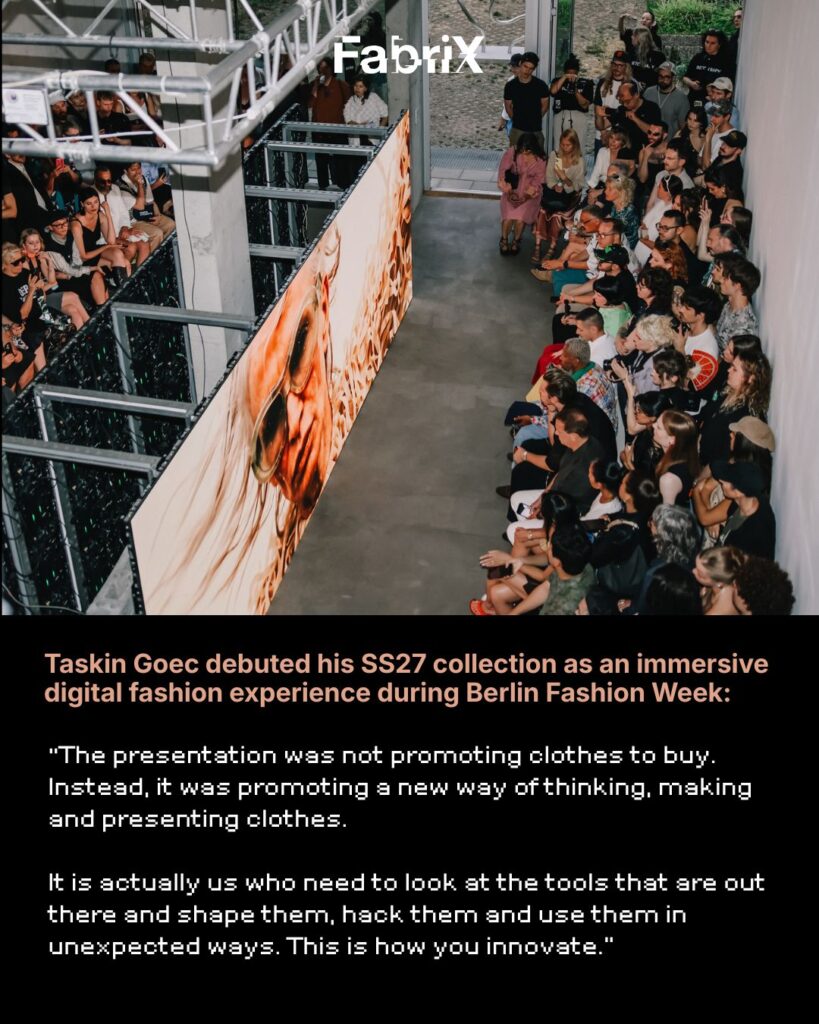
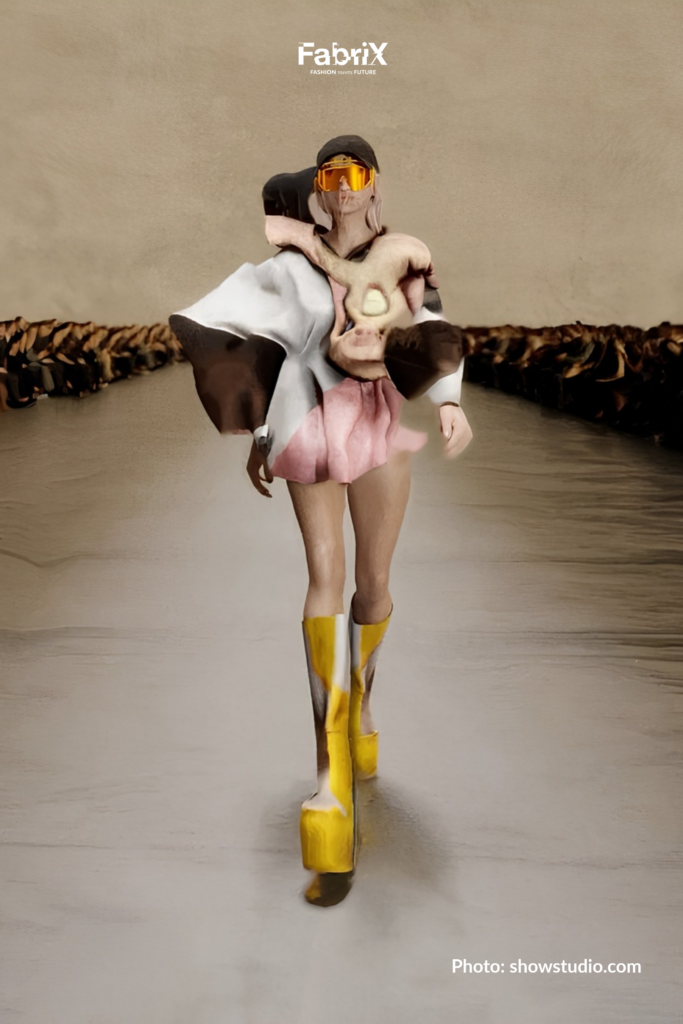
His SS27 presentation at Berlin Fashion Week — a digital showcase in collaboration with a university — was not a sales pitch for clothes. It was a pitch for a new way of thinking, making, and presenting them.
(English) Why go digital, and why now
(English) Most tools, including AI, were not built for fashion design. Innovation, Goec argues, is looking at what exists and hacking it into unexpected use. Research and development happens in private. The show is when the industry finally gets to see it — and fashion, he notes, usually needs to see something first before it gets in.
(English) There is also an environmental argument he wants stated without romance. People talk about AI’s footprint as a whole. Compare that, he says, to sampling one pair of physical jeans: water, dyeing, prototypes shipped between continents, sometimes over several rounds. Visualising the same idea through AI is not free. It is also not close. The point is not that AI costs nothing. The point is to compare it to what it actually replaces.
(English) Fashion was always image-first
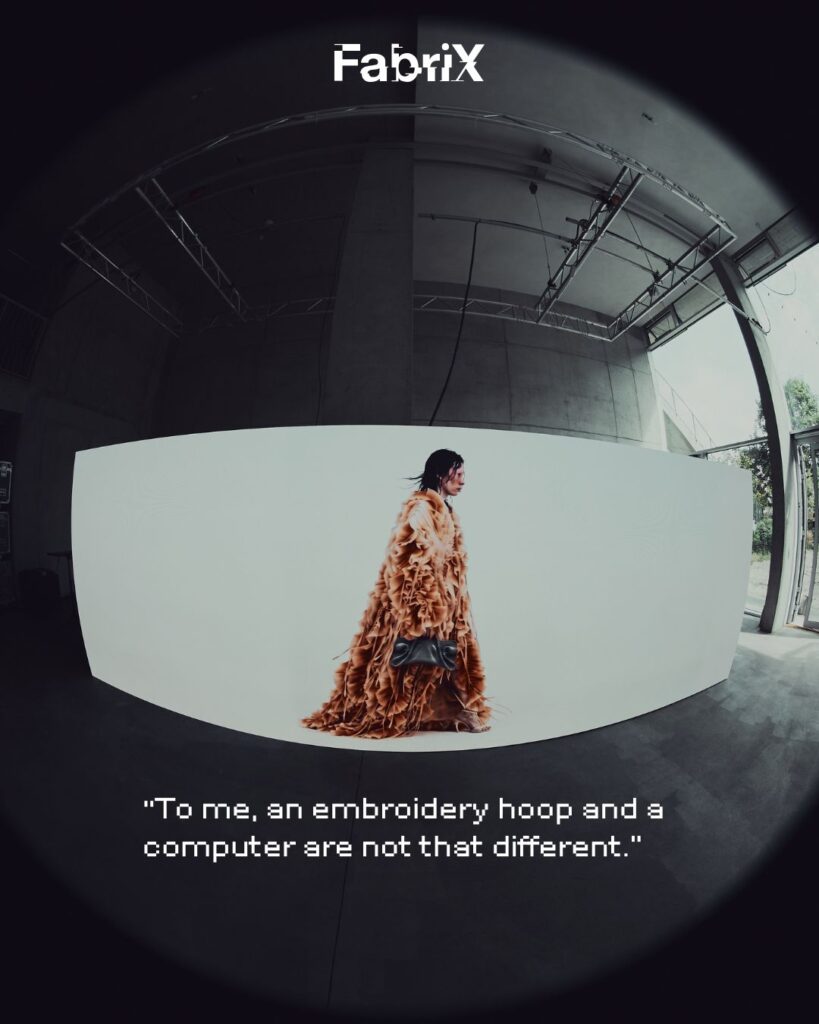
(English) Goec started in craft — textile development at one of Chanel’s Haute Couture houses in Paris, sewing machines, embroidery hoops. What never left him: fashion is image-first. He grew up on Tumblr and blogs. You see it in the virtual realm, then you see it in the physical. The magic is the crossing.
For a long time he ran a mixed-reality studio in Berlin with both: analog tools and powerful computers. Today he works in digital. That is not a rejection of craft. It is a relocation of it.
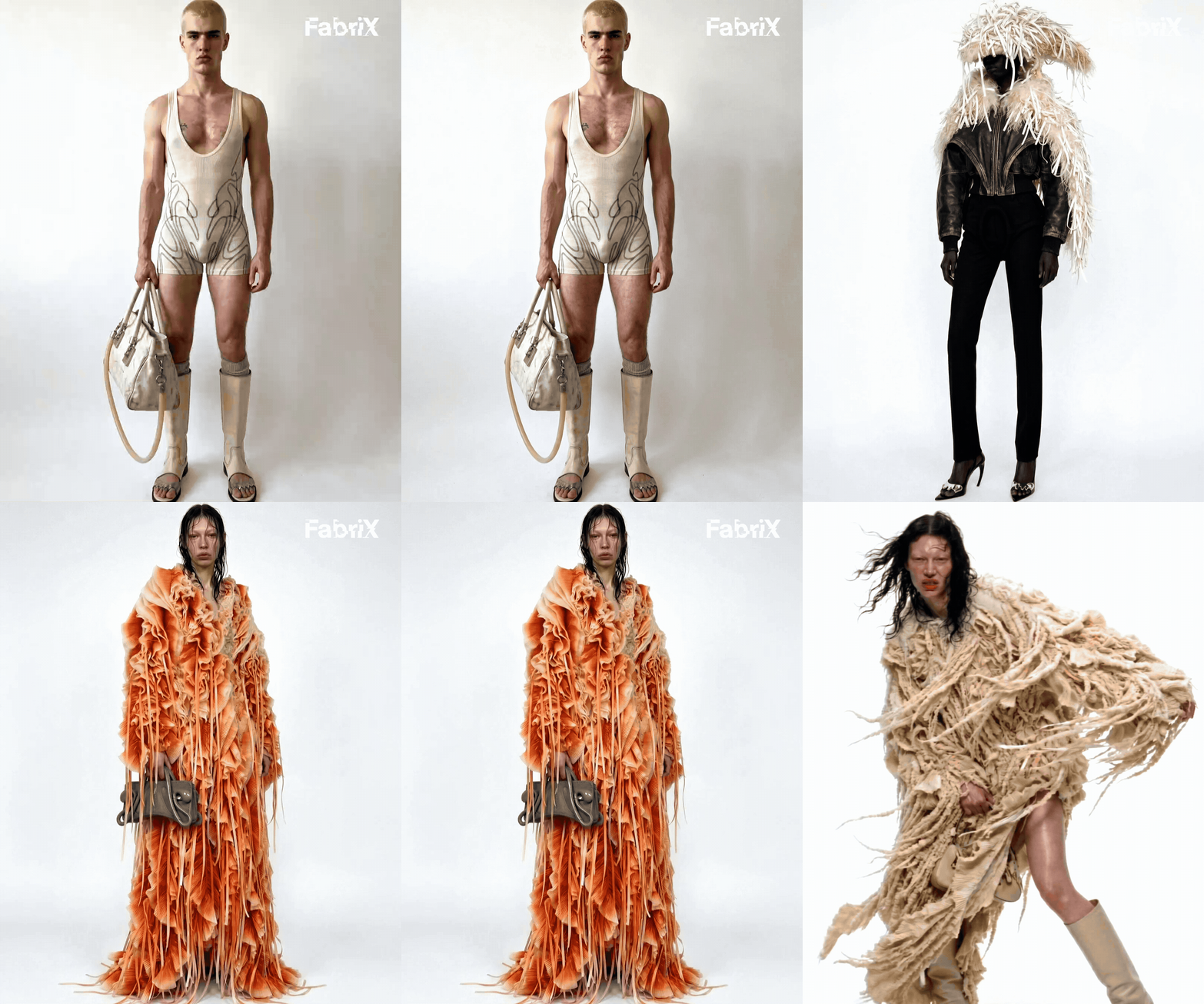
(English) AI is the pencil of our time, not Digital Waste.
(English) His stance on AI is ambivalent, and he understands the criticism. What he does not accept is the line that something is “just AI” or automatically slop. That erases human innovation and digital craft. Craft, he says, is understanding your tool deeply — time, practice, judgment, a point of view.
(English) He does not expect a wave of brands generating products in AI and only producing on demand, even if that would fight overproduction. Too much of the industry still runs on conversation between houses and manufacturers: ideation, technical drawings, lookbooks. Design is making someone else understand your vision.
For that, AI is the perfect tool. It is today’s pencil.
(English) What is actually blocking the industry
(English) Fashion is romantic. Many still love the 20th-century atelier, and still treat craft and technology as opposites.
(English) The practical hindrance is time. No one in a house has the hours to stay current on a messy landscape of emerging tools, then implement them so they plug into existing processes. That is why consulting and workflow-building became a major part of his business: so designers can keep designing. Most already know the technology is mind-blowing. They just cannot afford to become systems engineers overnight.
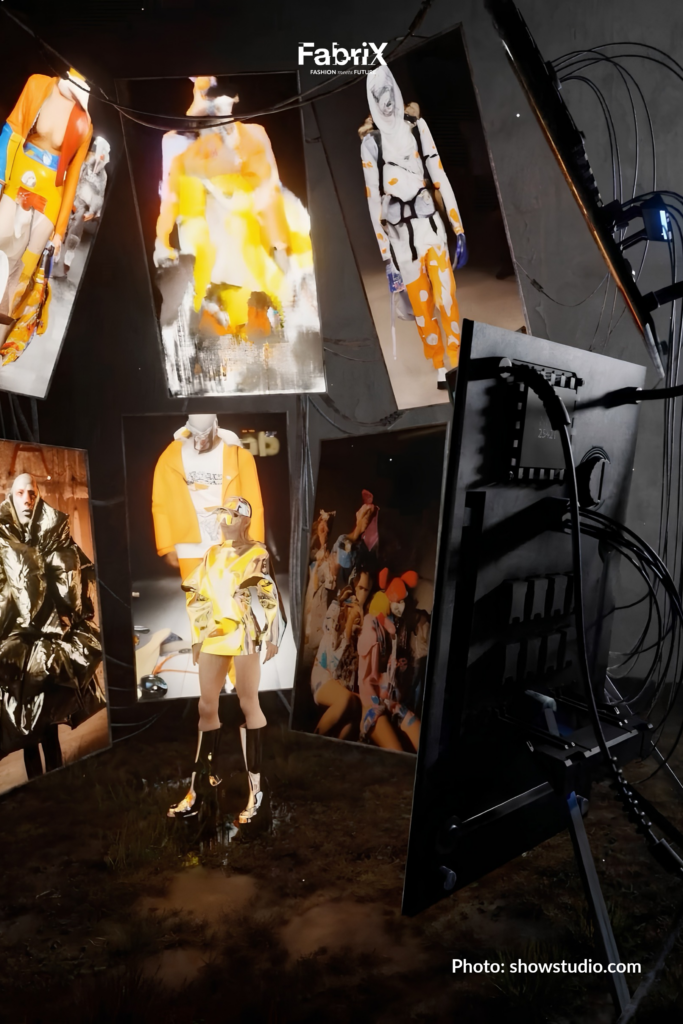
(English) Digital fashion, in his view, is not a new reality. Since visual arts existed, we have lived in an image world — reflection and projection, intertwined with the physical. The digital world is real. It is just immaterial. A new medium of something deeply human, like painting.
Physical shows still matter. Some clothes only work in a room. But a 12-metre screen, gigantic detail shots, a directed eye on stitching you would miss on a runway — that can be more immersive than a traditional show.
Every house has to find its own mix. There is no single handwriting for analog plus digital.
(English) “Craft stays at the centre if you refuse the split. The tool changes. The judgment does not.”
(English) Read more:
• Taskin Goec / Studio Taskin — SS27 digital showcase, Berlin Fashion Week
• Blurring the digital lines with Maison Taskin
(English)
Stay connected with FabriX on social media for exclusive updates and content.