Art Inspires Fashion in Two Registers: Kusama’s IP, and Ballet’s Off-Duty Look
Keywords: Yayoi Kusama, art fashion collaboration, balletcore, off-duty dancer, Robert Wun, Hong Kong Ballet
Word Count: ~1,340 words
Read Time: ~5 minutes
Art does not enter fashion one way.
Sometimes the artist is the author: a lifetime visual system, licensed into bags, storefronts, and rooms you can walk into. That is Yayoi Kusama.
Sometimes fashion does not take the artwork at all. It takes a way of dressing that already exists around the art form — rehearsal clothes, street-to-studio hybrids — and leans it into design. That is balletcore: not the tutu as costume, but the off-duty dancer look as style.
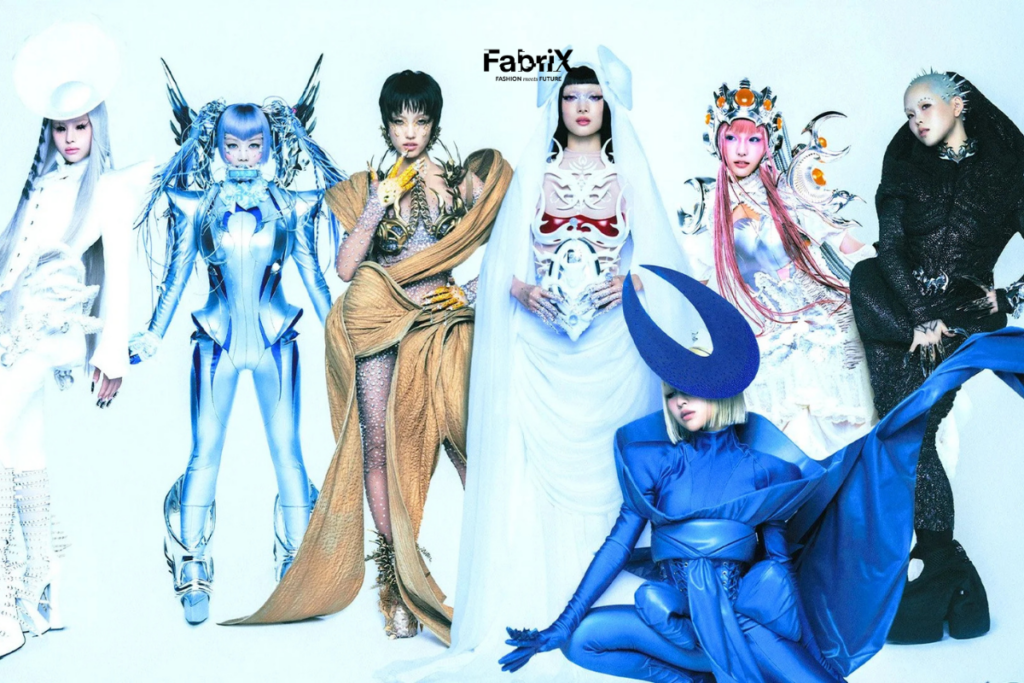
FabriX’s September conversation is about Y3K — chrome, Year 3000, the body as an interface. These two art × fashion POVs sit next to it. Different temperatures. Same problem: culture dies as a print. It only works as a world, a body, or an authorship you can still read.
Kusama: when the artist's IP becomes fashion
Yayoi Kusama died in Tokyo on 14 August 2026, aged 97. She is still one of the best case studies in how art crossover with fashion. She did not “do a collab.” She changed what a collab could be.
View this post on Instagram
The origin story is the one to teach: in 2006 she hand-painted dots onto a Louis Vuitton Ellipse bag in Marc Jacobs’ LV era before a formal deal. The artist treated the house’s object as raw material. The motif stayed hers. The monogram stayed at Vuitton’s. Two icons and still legible.
Then came Dots Infinity in 2012, and the much larger 2023 partnership — bags, ready-to-wear, accessories, fragrance, storefronts, including those giant Kusama sculptures outside Vuitton in Paris. Kusama’s collaboration, the artist herself, is who redefined brand collaborations, not as a seasonal print that happened to sell.
The learning is not “artist merch sells.” It is rules of artist’s IP:
First, The artist remains the author. Kusama’s dots were a lifetime system, not a moodboard. Fashion borrowed the system. It did not replace it.
Secondly, the crossover is experiential. Infinity rooms, painted facades, pop-ups — people did not just buy a bag it extended the narrative of the story. The artistry entered another realm, a world. That is why the work survived as culture, not only as an SKU.
That is art inspiring fashion from the inside: creation made for fashion, that still belongs to the artist.
Ballet : how an art form inspires the fashion house to designs, and style
Ballet is a different POV. Fashion designers take the clothes/ the style around the art — what dancers wear to class, to the street, off duty — and lends that into design.
Balletomania is always here but re-energized by several designers. Miu Miu best selling item : ribbon ballet flats comes in satin, or leather in many candies colors “only this time it’s called balletcore, and it’s not all about the tutu.”
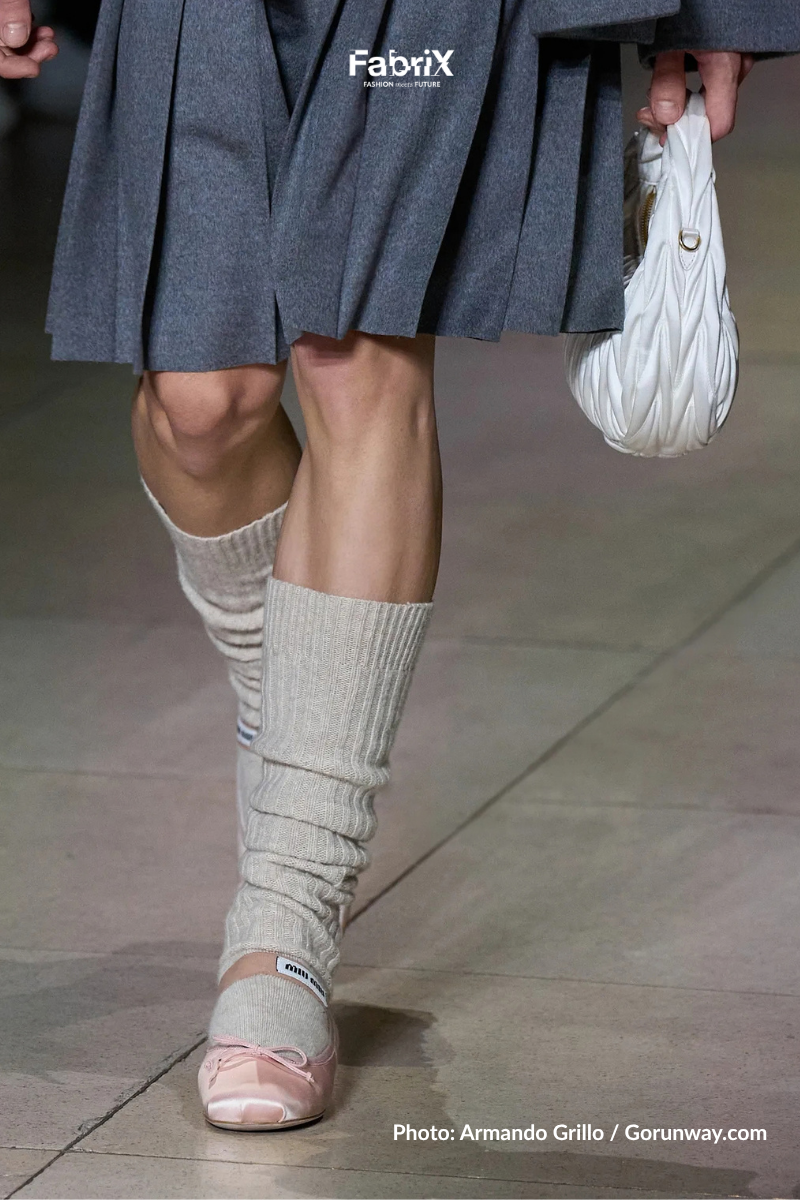
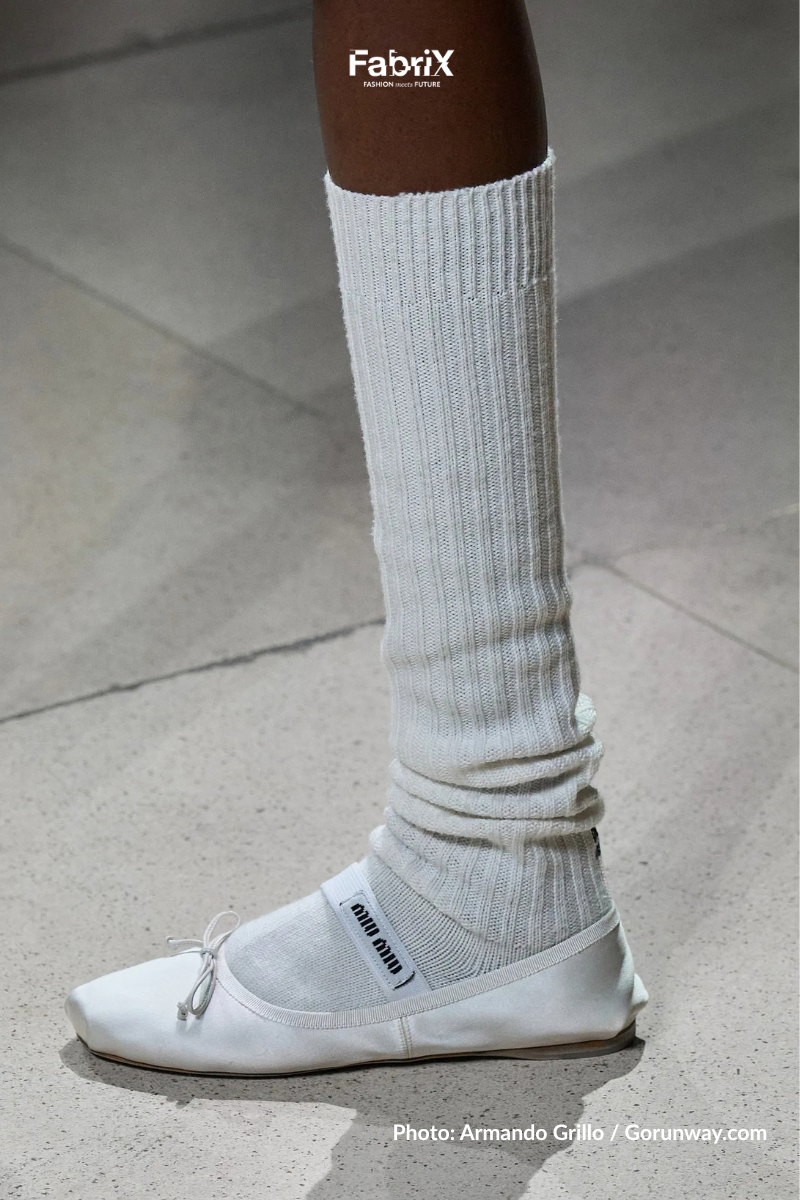
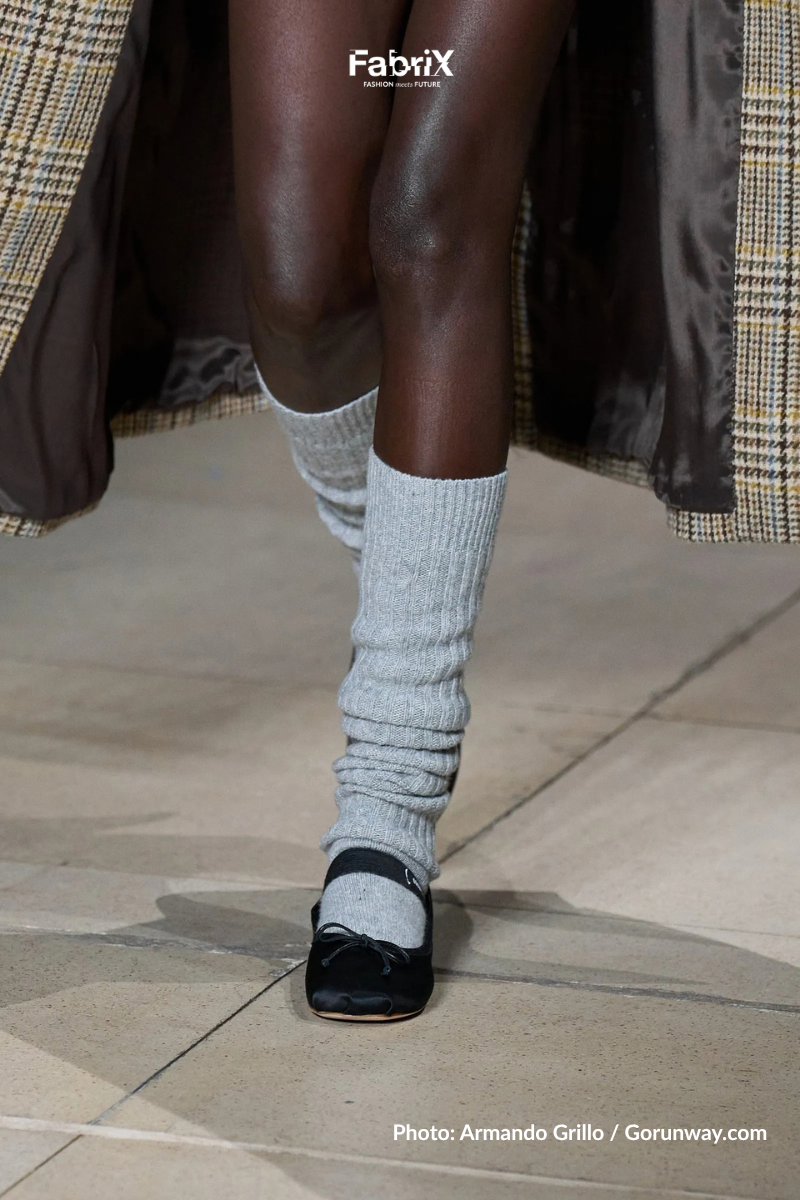
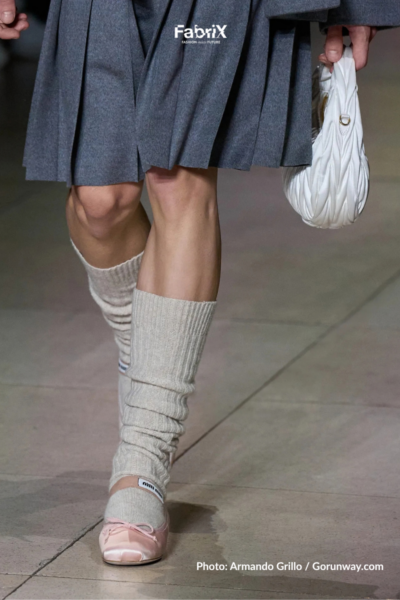
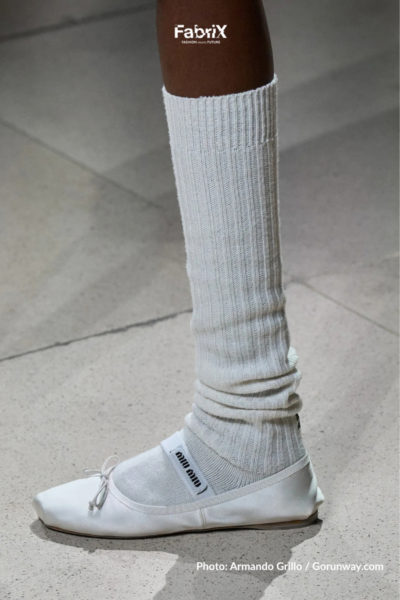
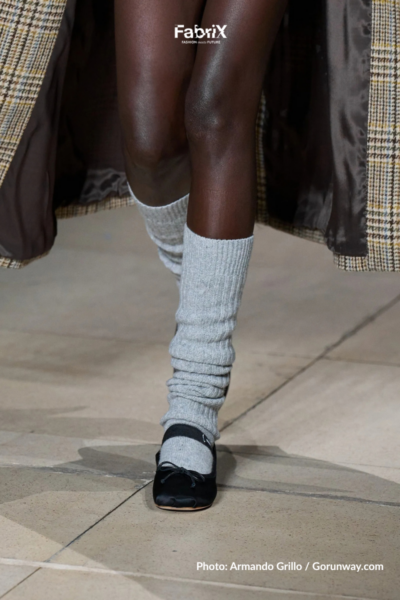
The useful look is ODD — off-duty dancer — not costume tutu. Leotards, leg warmers, barre-to-street hybrids. Comfort as an active-fashion problem, not a fairy-tale print. That history is older than TikTok. Patricia Mears, who curated Ballerina: Fashion’s Modern Muse at the Museum at FIT, told Vogue the influence of ballet practice clothes — leotards, tights — dates to balletomania in the 1930s and 1940s, then revived in the disco 1970s, “long before the term athleisure entered our vocabulary.”
Social media did not invent the crush. It made the studio public: companies and star dancers posting costumes and what they wear to rehearsal.
Vogue’s look-back is a designer lineage, not a hashtag: Galliano spring 1996, MM6 Maison Margiela and Sandy Liang spring 2023, Miu Miu fall 2022, Valentino, Dior, Molly Goddard, Giambattista Valli, Thom Browne, Moschino, Ming Ma in Shanghai with all the tulle and organza creating a dream of style. The throughline is street to studio to stage — a dancer’s full day.
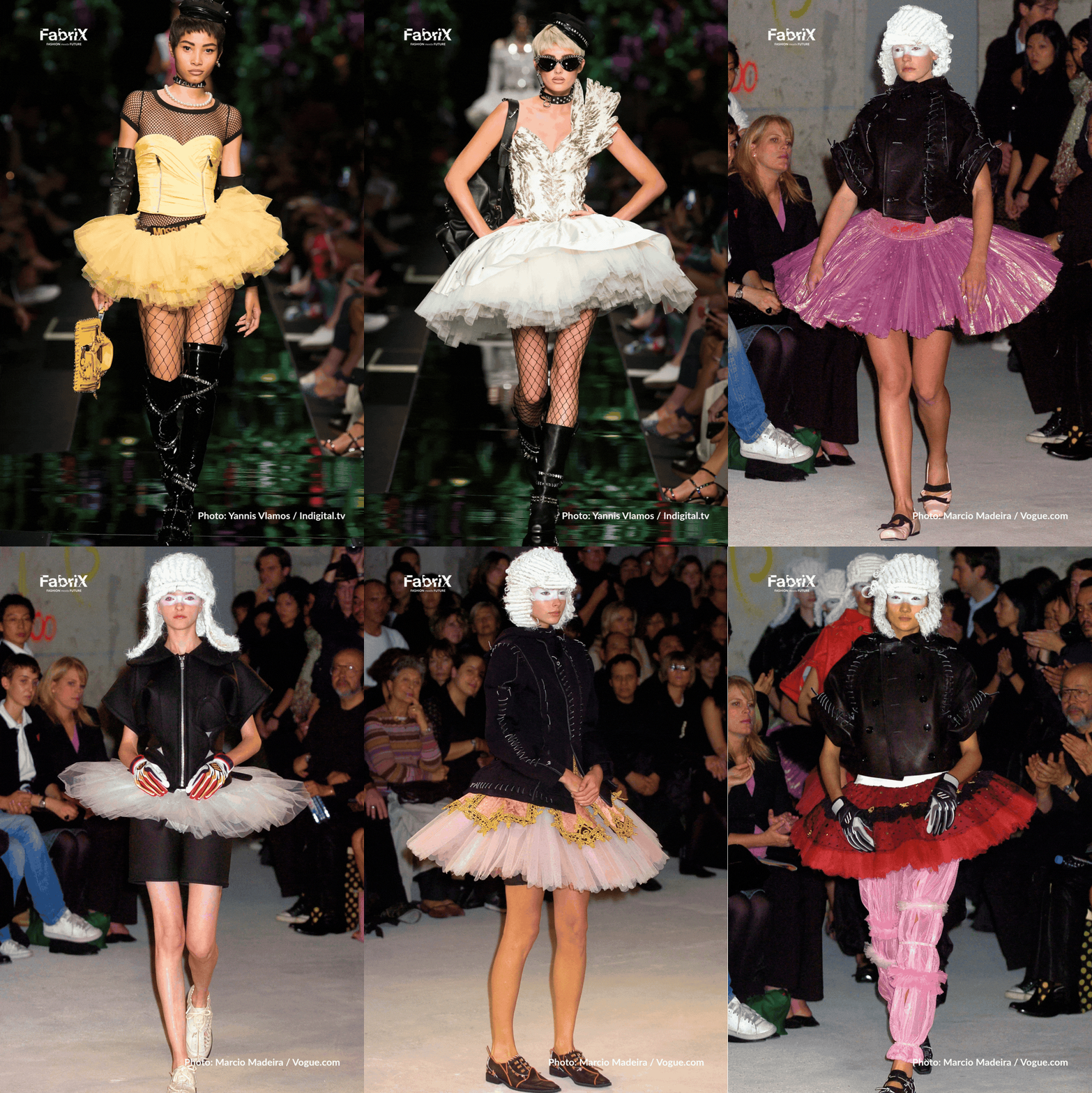
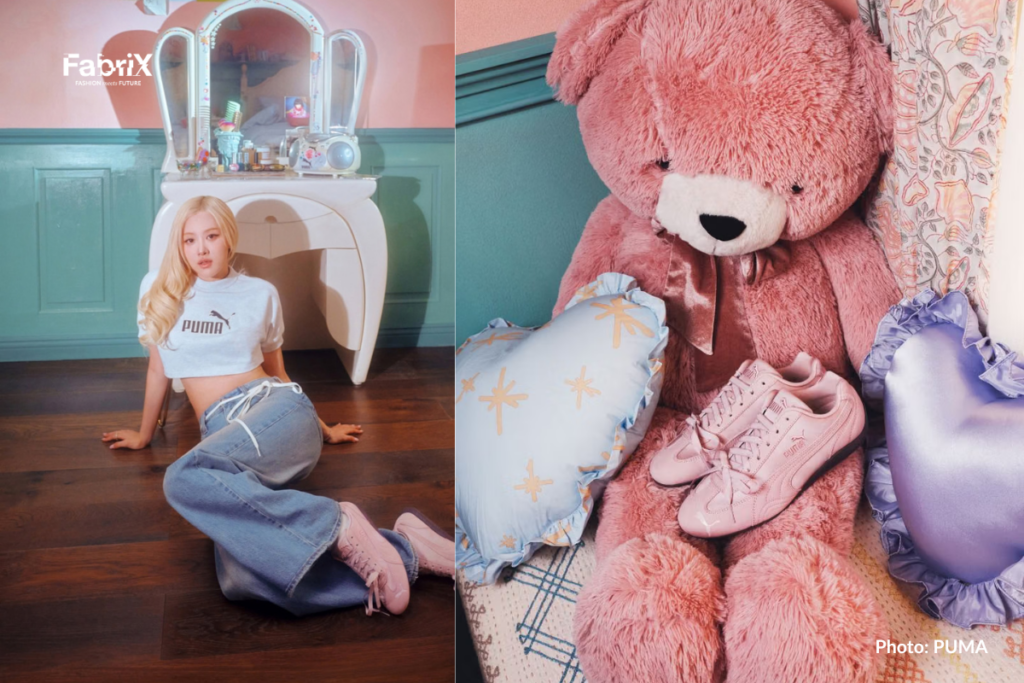
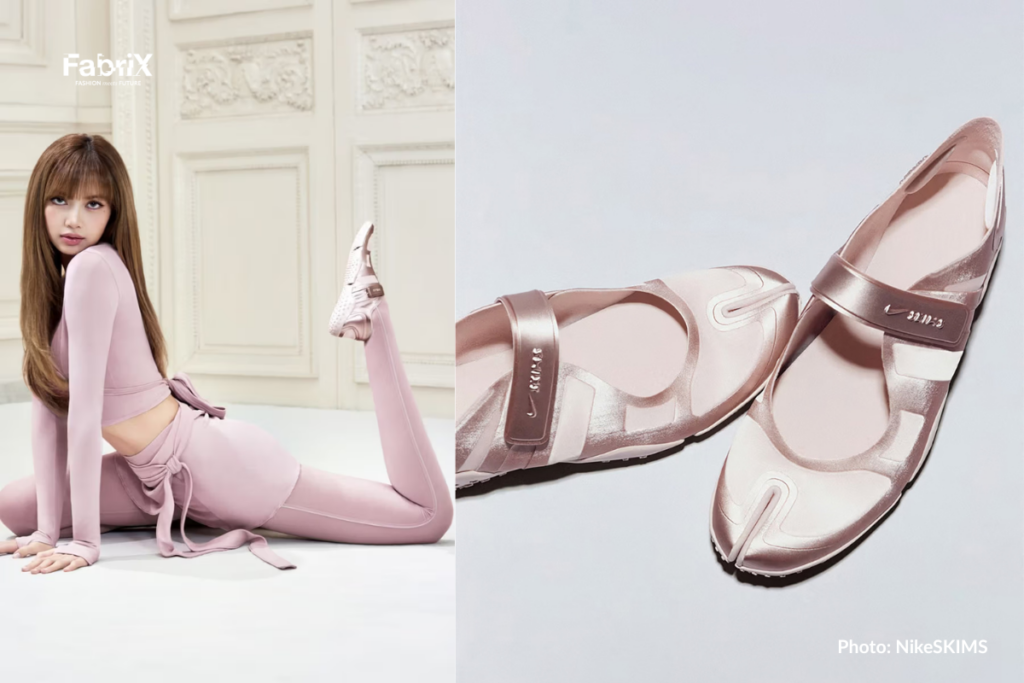
The 2025–2026 return is closer to ODD ( off-duty dance): wrap tops, foldover waists, satin flats that mutated into sneakerinas ( like Rose’s wearing PUMA speedcat), jewel tones, layering that looks like a dancer getting dressed. #balletcore has passed a billion TikTok views. Nike SKIMS dropped a full balletcore collection for Spring 2026 with Lisa, with her dancing into the ads. Rosalía has been wearing tutus on and off stage — including custom Dior — and training en pointe, which is the difference between referencing ballet and inhabiting it.
Luxury is not obsessed with ballet because it is cute. Ballet trains the public to look at silhouette, craft, and duration. Fashion wants that attention — and it gets it cheapest by borrowing the off-duty uniform, not by staging Swan Lake.
Why Gen Z actually cares
For millennials, balletcore was often a soft costume: pastels, a bow, a flat. For Gen Z it is closer to a uniform they already live in — dance class, gym, concert, phone camera, then the street.
That is why the 2026 revival is being pulled by performers, not only by lookbooks. Rosalía in a tutu off-duty is a Gen Z signal: the body has to mean it. Lisa fronting NikeSKIMS is sport, stage, and feed in one silhouette. New York City Ballet has already gone hunting for that audience, partnering with Sandy Liang and Heaven by Marc Jacobs on merchandise a 22-year-old would actually carry: leotards, bows, mini dresses, a shoulder bag — not a souvenir shop.
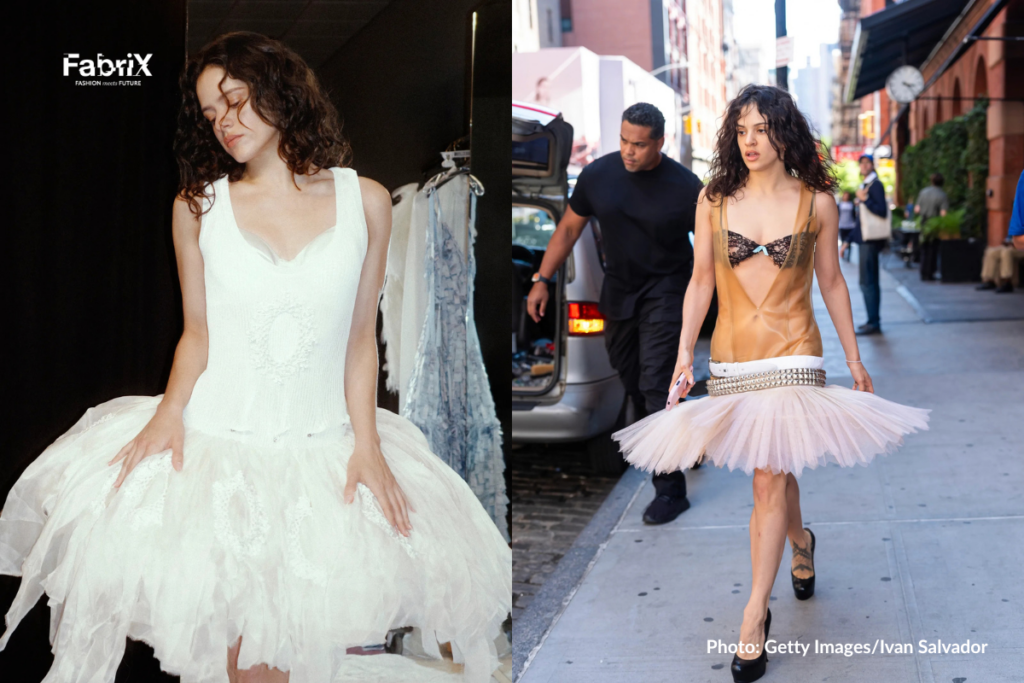
Vogue’s ODD point lands hardest here. Gen Z did not wait for a house to explain ballet. They watched dancers post rehearsal, costume, and civvies on the same grid. High art became a scrollable craft. The risk: the art form gets flattened into an aesthetic. The opportunity: a generation that already treats image as real is primed for fashion that has to work on a body.
When ballet stops being a look and becomes a commission
The off-duty borrow is one register. The other is when a designer actually dresses the company.
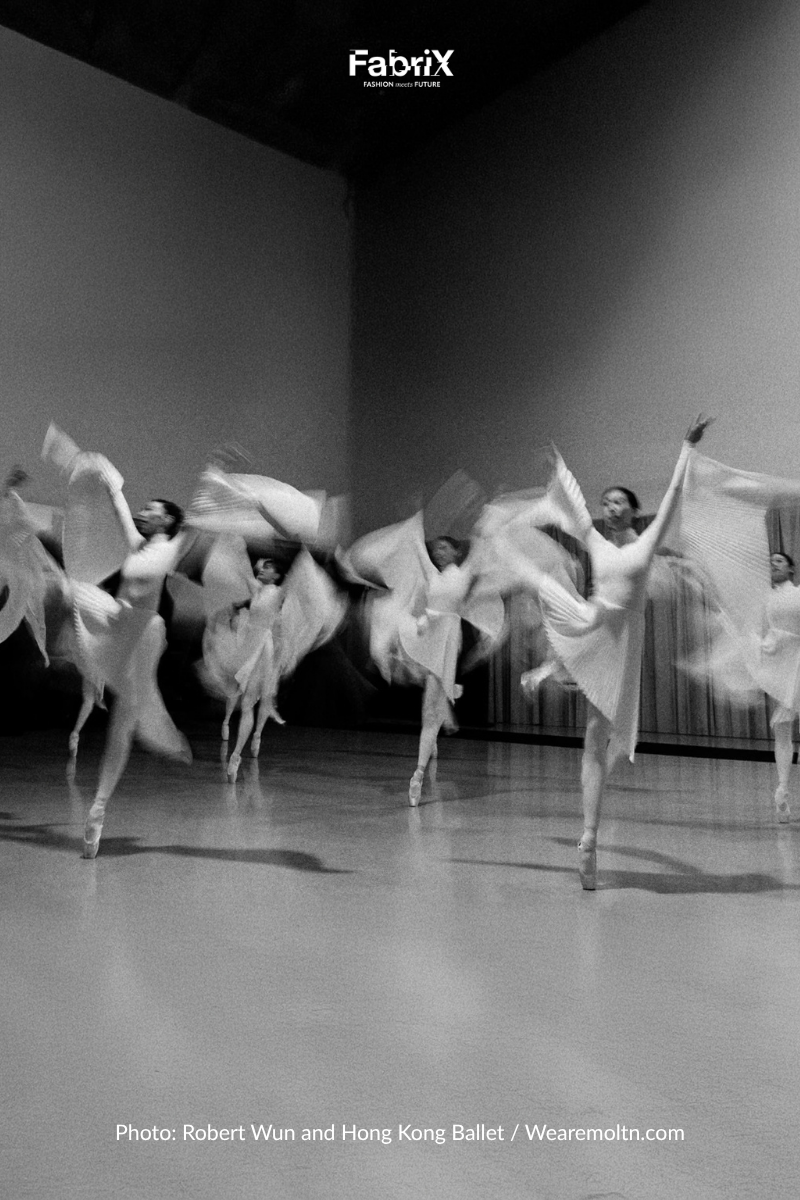
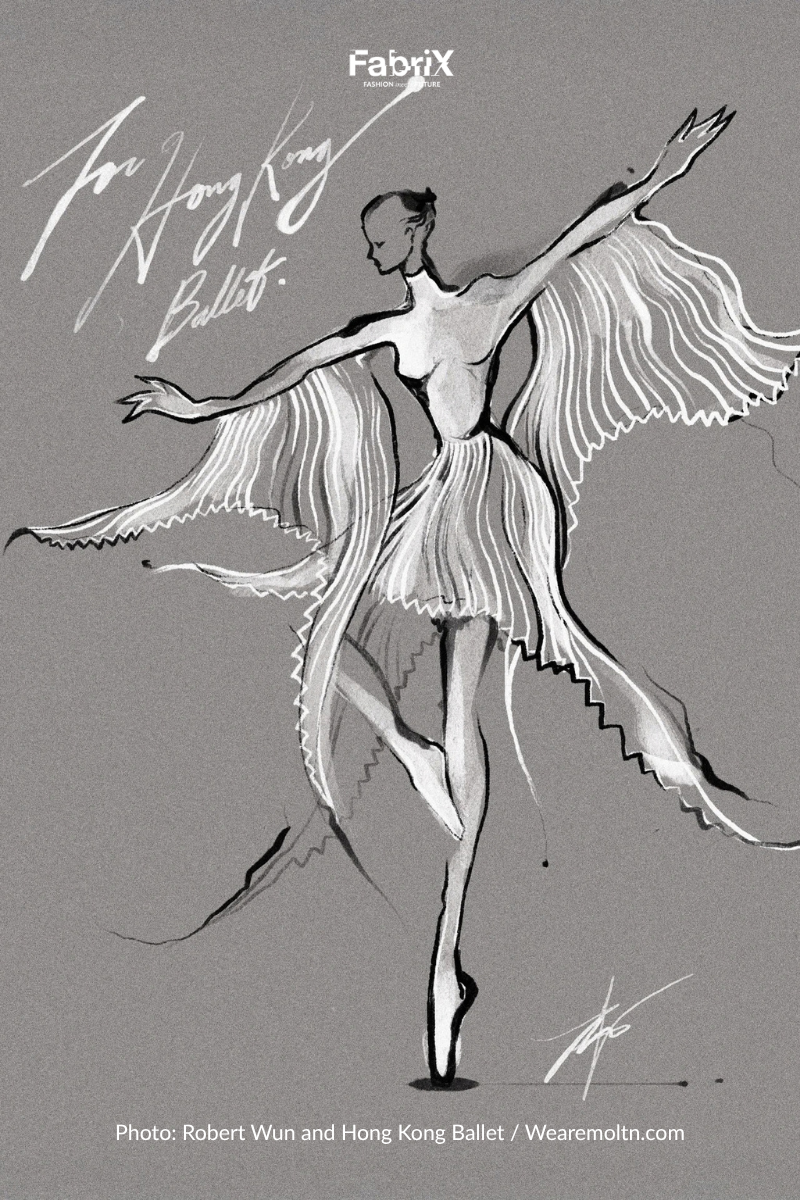
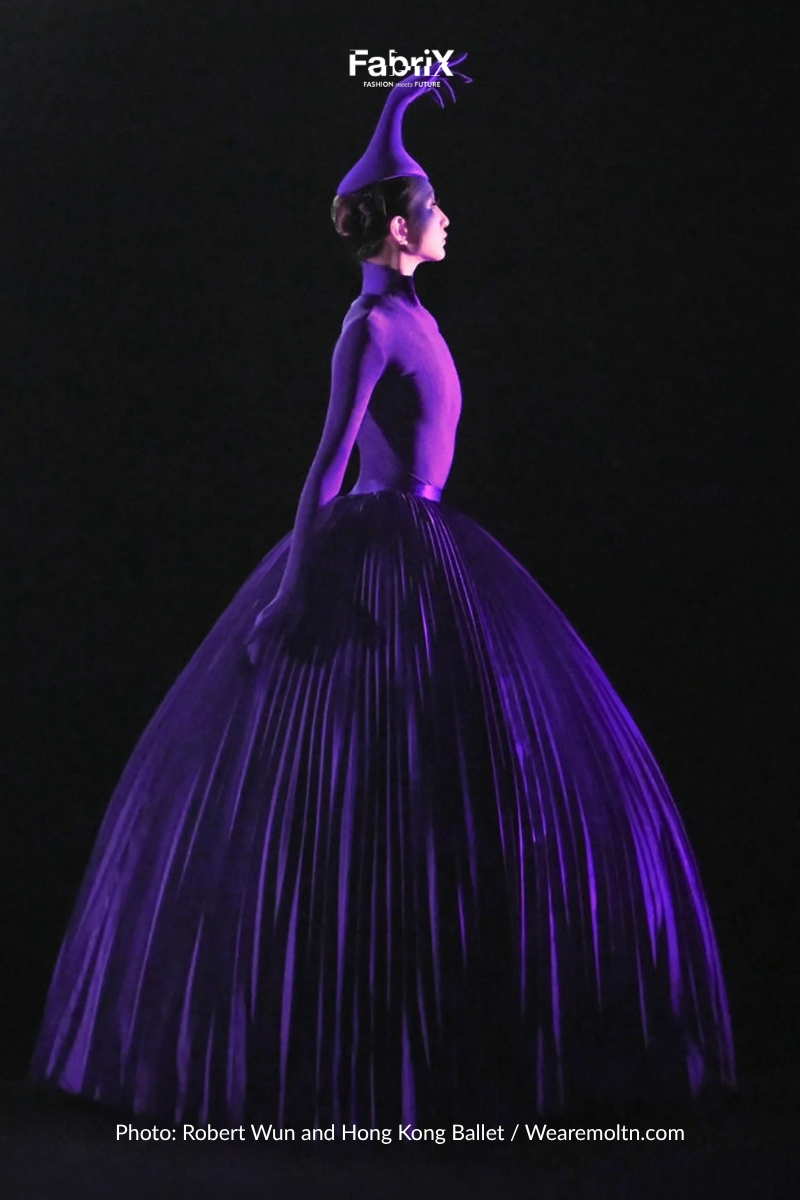
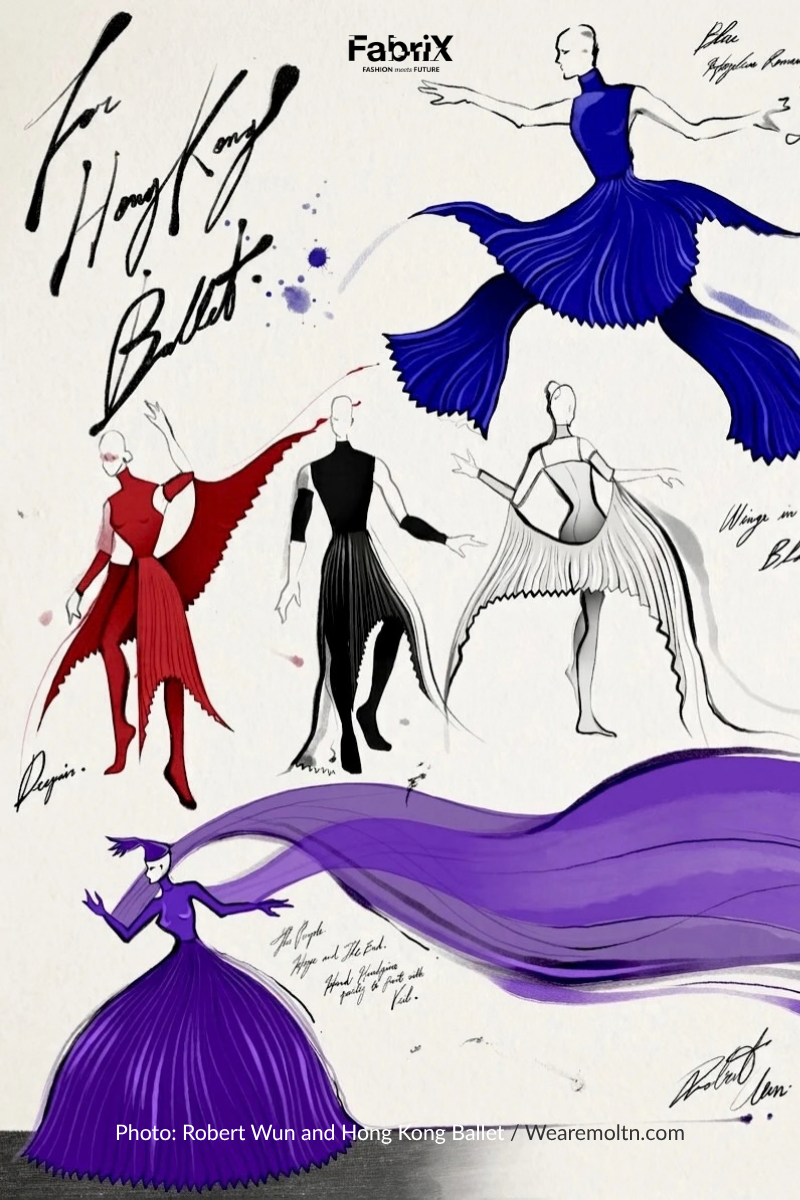
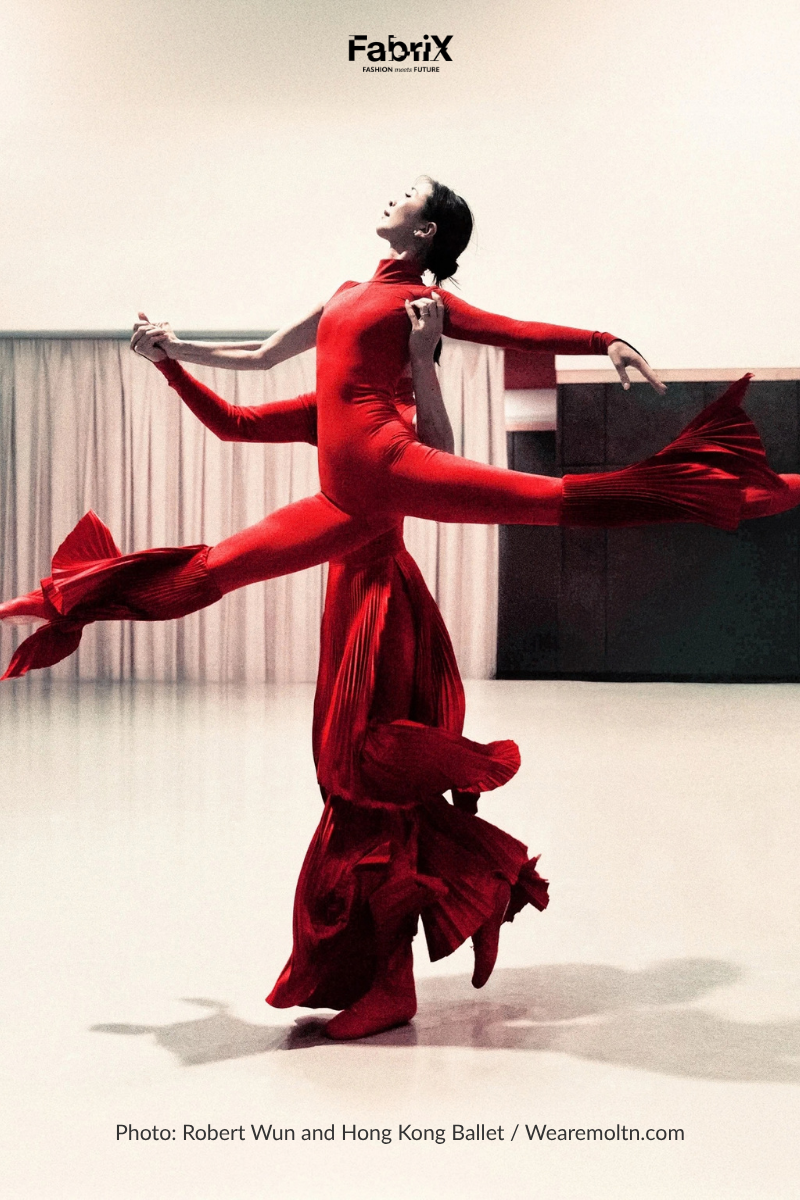
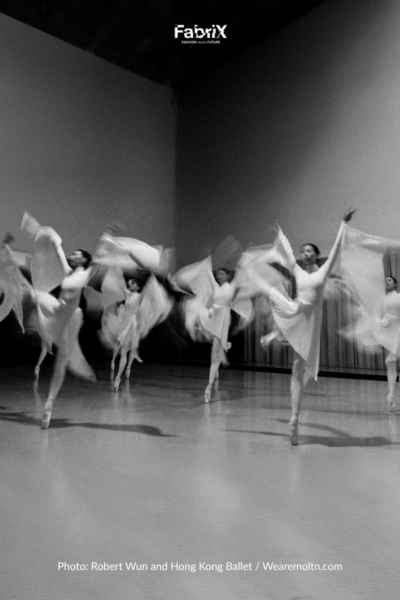
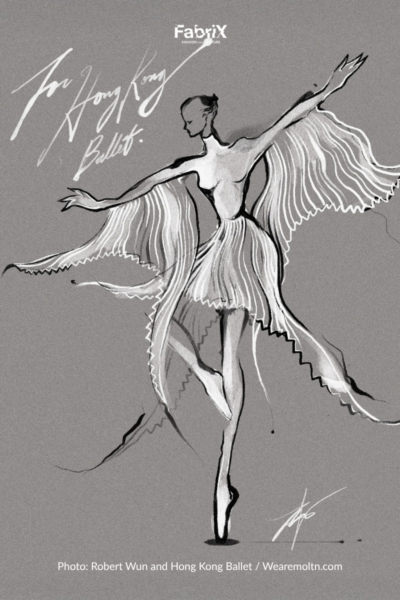
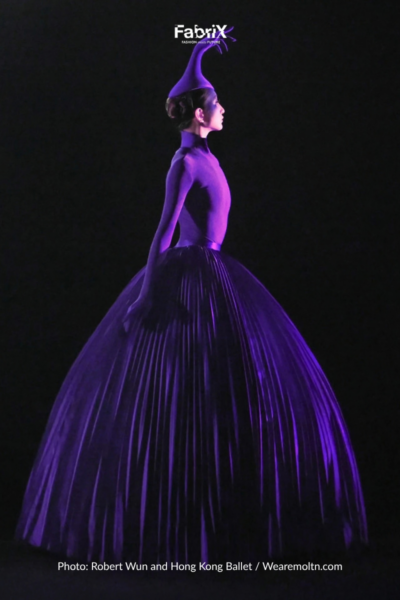
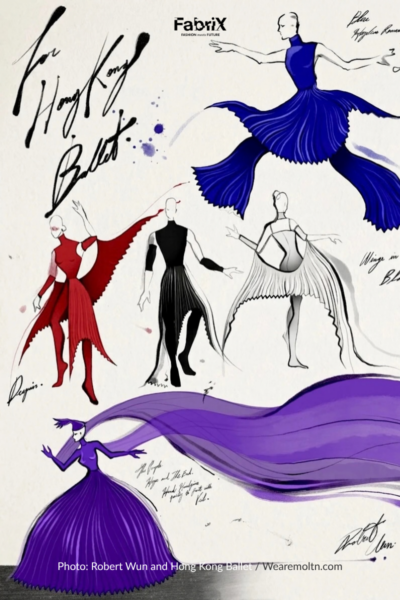
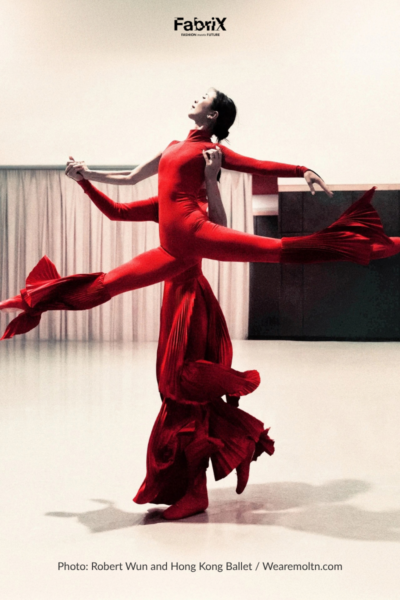
In 2026, Robert Wun — the first Hong Kong designer to debut at Paris Haute Couture Week — designed costumes for Martlet, a world premiere in Hong Kong Ballet’s Glam Rock programme. Choreography by Hu Song Wei Ricky and Mai Jingwen. Music: Beyond. Wun’s couture language — sculptural volume, light, architectural line, the same vocabulary worn by Björk and Lady Gaga — had to be rebuilt for athletic extension, not a static front row.
Runway couture can be armour. Ballet couture has to breathe. Reports describe Robert Wun moving away from default tulle toward structure that still lets the company jump, lift, and travel — including lightweight, 3D-printed geometry so the sculpture does not become a weight.
It is also a Hong Kong story. Robert Wun did not import a Paris fantasy onto a local stage. He brought couture home to a company dancing to Cantonese rock. High art here is not a European museum loan. It is a local designer, a local ballet, a local soundtrack — still speaking a global fashion language.
Fashion × ballet only works when both sides keep their job. The house brings a silhouette and world-building. The company brings time, sweat, and the audience’s eyes. If either side is licensing a moodboard, you get a tutu on a hanger.
Two POVs, one FabriX brief
Kusama is an artist IP made for fashion. Balletcore is an art form’s off-duty dress, leaned into design. Robert Wun × HK Ballet is the rare third: couture that has to survive choreography.
They look opposite. They are not. Chrome, tulle, and polka dots all fail as flat product photography. They need a body, a room, duration — or an author you can still name. Jing Daily’s Y3K brief was an immersive experience. Kusama’s rooms were that. Ballet’s brief has always been that.
High art does not make fashion more precious. It makes fashion more exact. A print that cannot be lived in is not a collaboration. A look borrowed from the studio still has to work on a body. A trend that cannot be tried on is just content.
We will keep watching who treats art as a partner — and who treats it as a filter.
Read more:
• Yayoi Kusama dies at 97 — AP
• Balletcore: A Look Back at How Designers Have Been Inspired by Dance — Vogue
• Couture in Motion: Robert Wun for Hong Kong Ballet — MOLTN
Stay connected with FabriX on social media for exclusive updates and content.
Blog posts